
Cold exposure training: from the cold shower to the ice bath
Cold is a systemic tool for resilience, circulation and mental toughness. Two stages from the Strive Up skill tree: cold showers first, then ice-cold water.
Contents
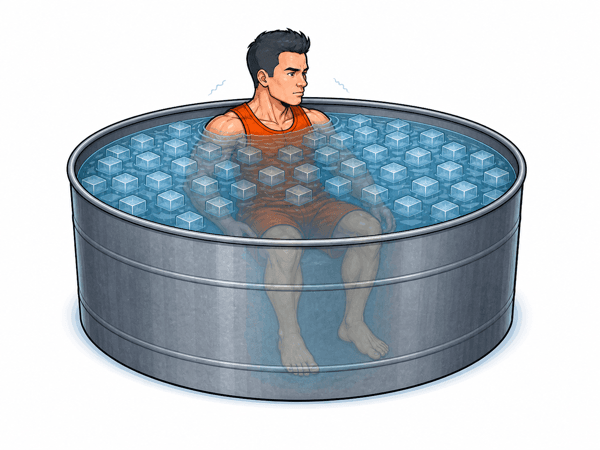
Cold showers, ice baths, Wim Hof – cold exposure training has gone from hippie trend to serious discipline over the past few years. Rightly so: regular, controlled cold builds systemic resilience – physically and mentally.
But cold is not a party trick. Jumping straight from warm into ice doesn't work. You need a clear build-up – the cold shower as the entry point, the ice bath as the goal.
Why cold exposure works
- Circulation: blood vessels constrict, then open again. This trains vasomotor regulation.
- Nervous system: you practise relaxing deliberately while your sympathetic nervous system is screaming. That transfers directly to everyday stress.
- Metabolism: activation of brown adipose tissue plus a short-term adrenaline and dopamine boost.
- Mental: once you've breathed calmly for 11 minutes in 4 °C water, your morning coffee feels a lot more relaxed.
Safety first
Your path to the ice bath
Your path to the ice bath
From the Strive Up skill tree: build cold tolerance in the shower first, then get into cold water. Two stages, no leaps.
The stages explained
1. Cold shower (3:00)
The goal: three minutes under cold water. Not "ice cold" – simply the coldest your shower goes. Build-up plan:
- Week 1: shower normally, finish with 30 seconds cold
- Week 2: 60 seconds cold at the end
- Week 3: 90 seconds cold at the end
- Week 4: start cold straight away and hold for 3 minutes
While you stand under the cold water, the focus is on your breathing: calm, controlled, through the nose. If you hyperventilate, the cold has won.
2. Ice bath (11:00)
Immersion in water at 2–6 °C. The Strive Up standard is 11 minutes – the threshold most commonly discussed in the research for significant systemic effects. Three to five minutes is plenty to start with.
Breathing in the cold
- Before getting in: three deep breaths, exhaling slowly.
- As you enter: the shock is normal. Hold a calm 4–6 second exhale.
- In the water: 4 seconds in, 6–8 seconds out, through the nose.
- If you panic: breathe out deeply, don't breathe in. The reflex wants you to hyperventilate – actively exhaling breaks it.
Training plan
Weeks 1–4: a cold shower every day, building up progressively
From week 5: ice bath 1–2 × per week (3–5 min to start), cold showers on the other days
Warming up afterwards: never take a hot shower straight after. Towel off, get dressed, start moving. Your body warms itself up.
Track it with Strive Up
In the Strive Up app you log cold sessions with duration and temperature. You can see your streak straight away and keep cold showers separate from your ice bath goal. Resilience becomes measurable.
Train smarter with Strive Up
Track your training, use the EMOM timer, follow your PRs and discover your personal skill roadmap – for free.


Related articles
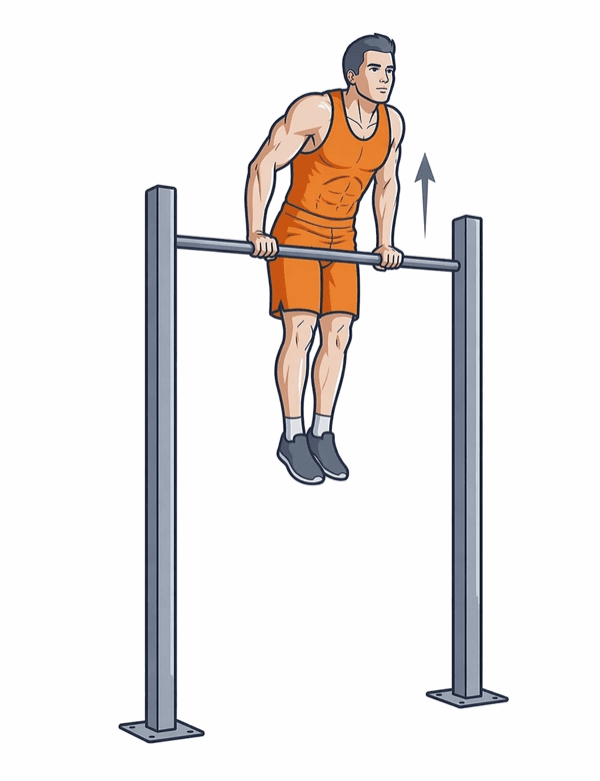
How to learn the muscle up: the complete progression guide
From the dead hang to your first clean muscle up: prerequisites, every lead-up stage, common mistakes and a clear plan that actually gets you to the king of bar skills.
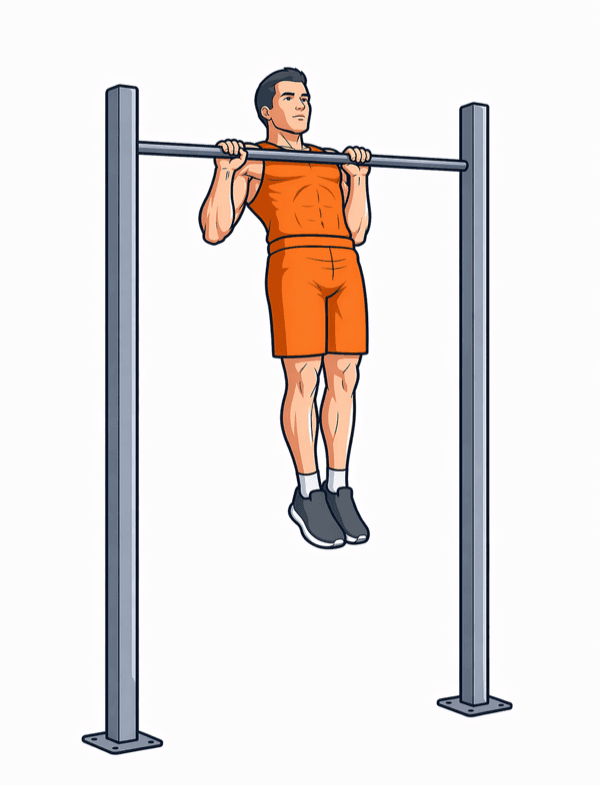
How to do pull-ups properly: technique, mistakes & progression
From the dead hang via scapula and band pull-ups to a clean full-range rep: technique, common mistakes and the complete progression ladder from the Strive Up skill tree.
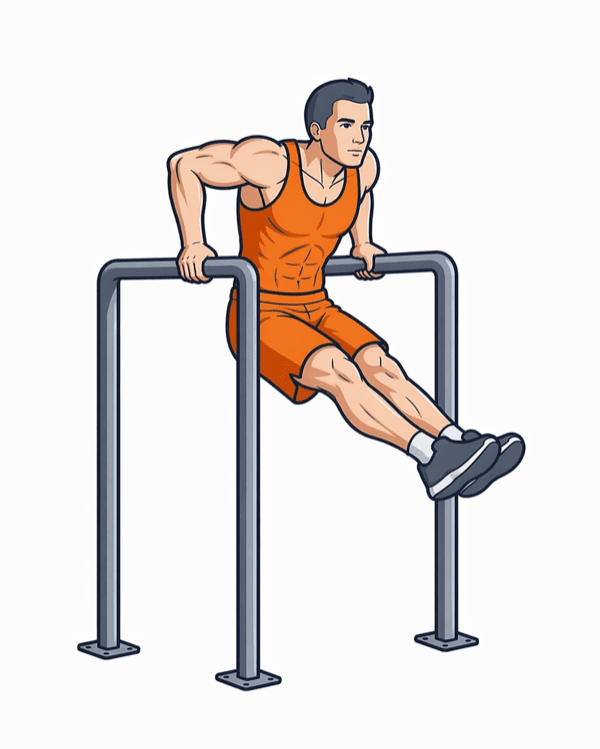
How to do dips properly: from the bench dip to muscle-up ready
The complete dip progression: bench, parallel bars, straight bar, russian. Technique, common mistakes and a training plan – straight from the Strive Up skill tree.