
How to learn the deadlift: the queen of full-body lifts
The deadlift trains the entire posterior chain. Clean technique, setup, breathing and the path from the bodyweight squat standard to a 120 kg lift – from the Strive Up skill tree.
Contents
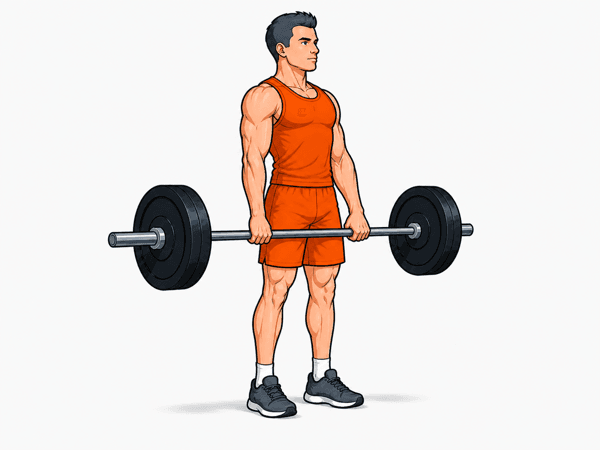
The deadlift is the most honest exercise in the world: you pick a weight up off the floor, that's it. No tricks, no fudging the movement – technique decides whether you get healthy and strong, or wreck your back.
This guide gives you the clean movement, the right setup and a clear path to a target of 120 kg for 10 reps – the Strive Up standard for trained athletes.
Why the deadlift is indispensable
No other exercise trains this much muscle at once: glutes, hamstrings, lower back, trapezius, forearms and the entire core work together. The deadlift doesn't just make you stronger – it makes you more robust in everyday life. Every time you pick something up off the floor, you're basically doing a deadlift.
Prerequisites
Before you touch a barbell you need:
- Clean bodyweight squats (25 reps) – so that hip and knee mechanics are solid.
- The hip hinge: you have to own the "hips push back" movement without a bar.
- Bracing: you have to learn to tense your core against resistance.
Your path to the deadlift
Your path to a clean deadlift
Clean bodyweight squats are the foundation — after that comes the heaviest lift in the world: the barbell deadlift.
Setup in 5 steps
- Feet: hip width, bar over mid-foot. Your shins almost touch the bar.
- Grip: shoulder width, arms straight. Mixed grip or double overhand.
- Hips down, chest up: hips above the knees, shoulders directly over or slightly ahead of the bar.
- Bracing: breathe deeply into the belly and make the core hard. Build lat tension ("squeeze oranges under your armpits").
- The pull: push the floor away with your feet; hips and shoulders rise at the same rate. Lock the hips out fully at the top.
Common mistakes
- Rounded lower back: the most common and most dangerous mistake. Drop the weight immediately and drill bracing and the hip hinge in isolation.
- Hips shooting up first: shoulders and hips have to rise at the same rate. If the hips run ahead, the lower back takes the load.
- Bar drifting away from the body: the bar has to slide along your shins. Every extra centimetre lengthens the lever.
- Hyperextending at the top: don't lean back at the finish. Extend the hips, don't overextend them.
Training plan
Deadlifts are systemically demanding. One to two heavy sessions per week at most:
Day A (heavy): 5 × 5 at 75–85 % of your 1RM
Day B (technique): 4 × 6 at 60 % – focus on the setup and clean execution
Progression: add 2.5 kg per week for as long as your form stays clean. If it doesn't: go back and fix the technique.
Track it with Strive Up
In the Strive Up app you track your deadlift target alongside your bodyweight skills. A clean 120 kg × 10 is the standard goal – but every athlete calibrates it to their own bodyweight and training age.
Train smarter with Strive Up
Track your training, use the EMOM timer, follow your PRs and discover your personal skill roadmap – for free.


Related articles
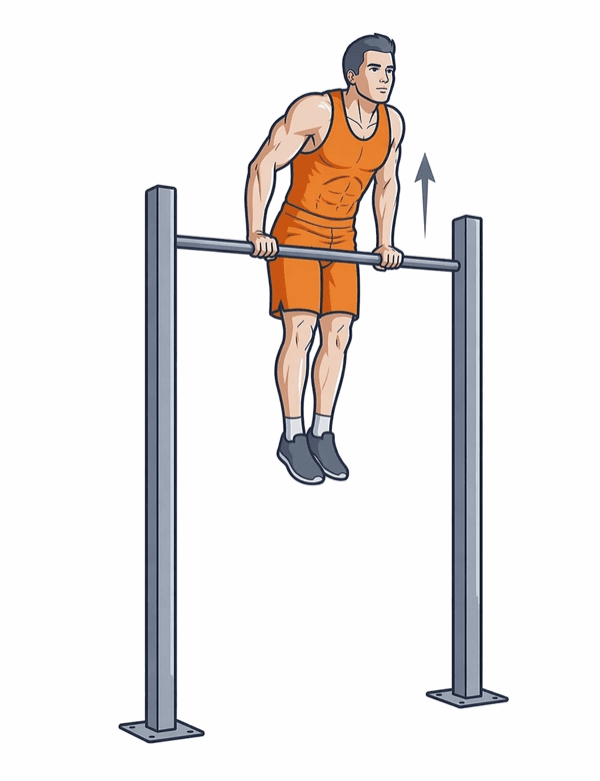
How to learn the muscle up: the complete progression guide
From the dead hang to your first clean muscle up: prerequisites, every lead-up stage, common mistakes and a clear plan that actually gets you to the king of bar skills.
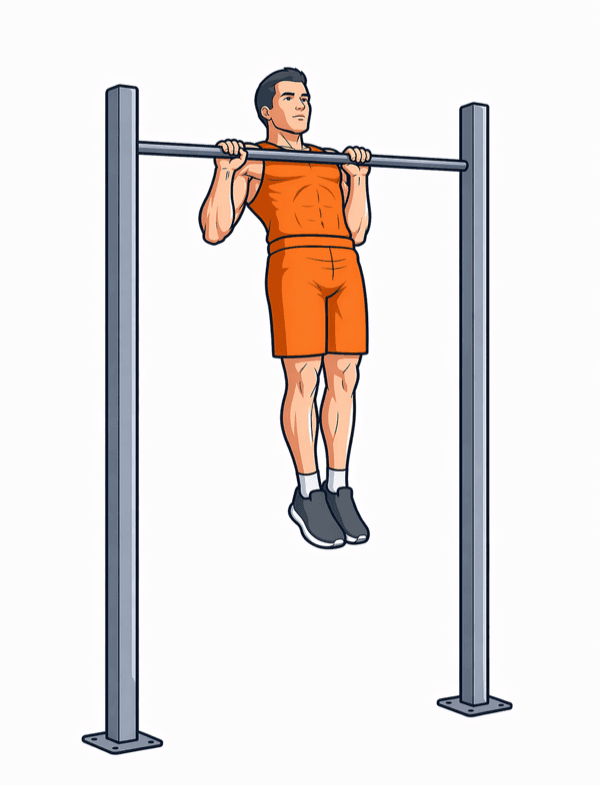
How to do pull-ups properly: technique, mistakes & progression
From the dead hang via scapula and band pull-ups to a clean full-range rep: technique, common mistakes and the complete progression ladder from the Strive Up skill tree.
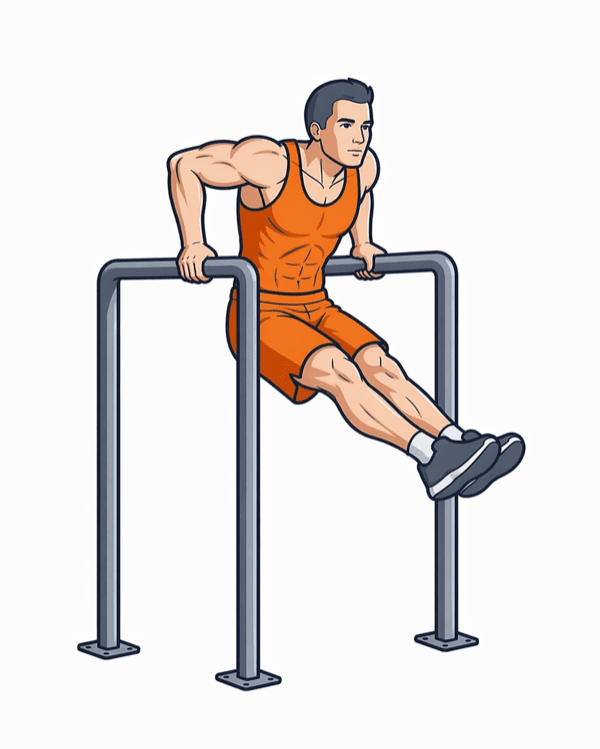
How to do dips properly: from the bench dip to muscle-up ready
The complete dip progression: bench, parallel bars, straight bar, russian. Technique, common mistakes and a training plan – straight from the Strive Up skill tree.