
How to squat properly: from the bodyweight standard to the pistol squat
Clean squats are the base of every leg progression. Technique, common mistakes and the direct route from the 25-rep standard to a single-leg pistol squat – from the Strive Up skill tree.
Contents
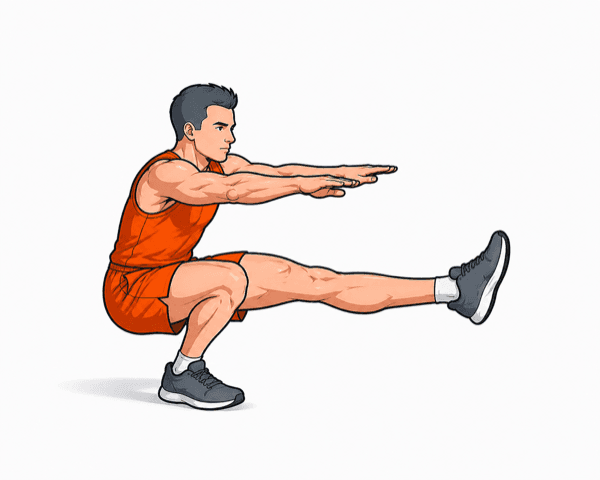
The squat is the most fundamental leg exercise there is – and the one most often butchered. Twenty-five clean bodyweight squats give you the base for every further leg progression: pistol, dragon, shrimp, cossack – or the jump into the barbell world.
This guide gives you clean technique, the most common mistakes and the complete path to the pistol squat – the hardest single-leg variation.
Why squats are the foundation
The squat trains the body's biggest muscle groups at once: quads, glutes, hamstrings plus the trunk stabilisers. A clean squat means controlled hip and knee flexion at the same time – exactly what you need in sport, everyday life and every advanced skill.
Without clean squat mechanics you'll struggle with balance in the handstand, feel weak through the back in the deadlift and simply topple over in the pistol squat.
Correct form
- Stance: feet hip width, turned out slightly (10–15°). Weight spread over the whole foot.
- Initiation: push the hips back while bending the knees. The chest stays up.
- Depth: hip crease below the knee. If your mobility allows it, go all the way down.
- Drive: press up explosively through the heels. Knees track over the feet and don't collapse inwards.
Your path to the pistol squat
Your path to single-leg squat strength
From the 25-rep squat standard to a full pistol squat — the most direct path from the Strive Up skill tree.
The stages explained
1. Bodyweight squats (25 reps)
The standard. Twenty-five clean reps without a break, full depth, controlled throughout. Without that there's no base for single-leg work.
2. Pistol (assisted)
Holding onto a post or door frame. You get to know the movement without having to hold the full balance.
3. Pistol (box, high + low)
Sit on an elevated box and press up on one leg. Start with a high box, then go lower – reducing the range of motion step by step.
4. Pistol (counterweight)
A light kettlebell or weight plate held in front of your chest. The counterweight helps you balance – the last stage before the full pistol.
5. Pistol squat
Freestanding, no support, no counterweight. Ten clean reps per side and the skill is yours.
Common mistakes
- Knees collapsing inwards: actively push the knees out, in line with your toes.
- Heels lifting: an ankle mobility deficit. Stretch the calves and train ankle dorsiflexion.
- Torso tipping forward: keep core tension. The hips lead the movement, not the back.
- Half depth: quarter squats achieve little. Build the mobility first, then always go all the way down.
Training plan
Legs tolerate two to three sessions a week. An example build-up for aspiring pistol squatters:
Day 1: 4 × 12 bodyweight squats + 4 × 5 assisted pistols per side
Day 2: 4 × 8 box pistols (high) per side + ankle mobility
Day 3: negative pistols (4 × 5 per side, 5 seconds down) + hip mobility
Track it with Strive Up
The Strive Up app has the full squat skill tree built in. You tick off stage after stage and see which lead-up exercise is next. The next step after the pistol squat? The deadlift with a barbell.
Train smarter with Strive Up
Track your training, use the EMOM timer, follow your PRs and discover your personal skill roadmap – for free.


Related articles
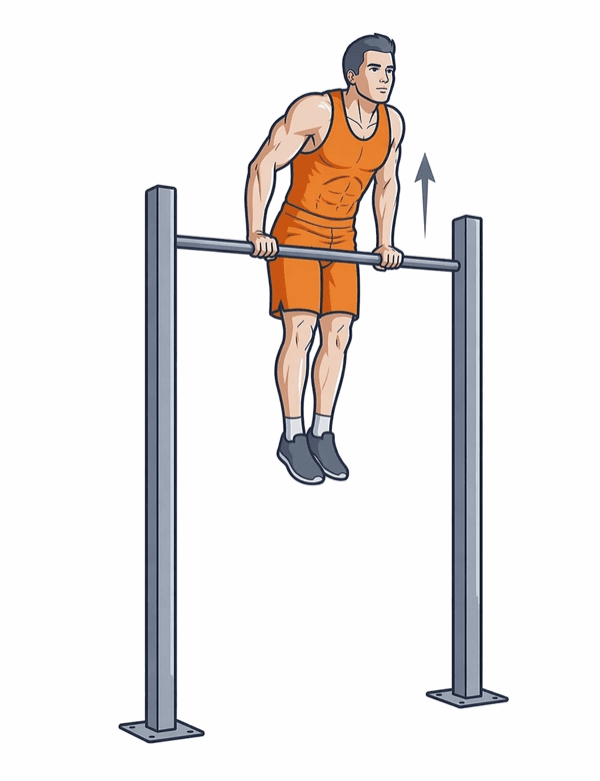
How to learn the muscle up: the complete progression guide
From the dead hang to your first clean muscle up: prerequisites, every lead-up stage, common mistakes and a clear plan that actually gets you to the king of bar skills.
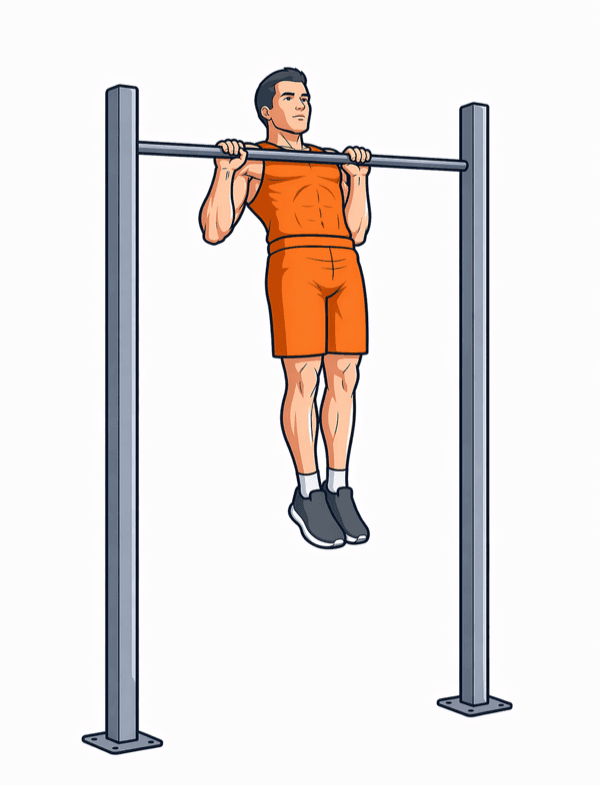
How to do pull-ups properly: technique, mistakes & progression
From the dead hang via scapula and band pull-ups to a clean full-range rep: technique, common mistakes and the complete progression ladder from the Strive Up skill tree.
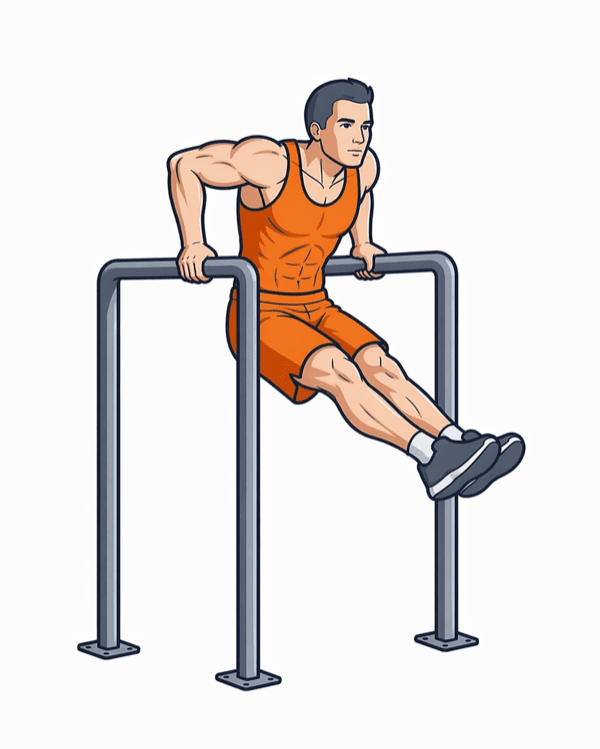
How to do dips properly: from the bench dip to muscle-up ready
The complete dip progression: bench, parallel bars, straight bar, russian. Technique, common mistakes and a training plan – straight from the Strive Up skill tree.