
How to learn the front lever: the ultimate pulling-strength skill
Horizontal in mid-air, facing upwards – the front lever demands lats, core and shoulders like almost nothing else. Five stages from the Strive Up skill tree.
Contents
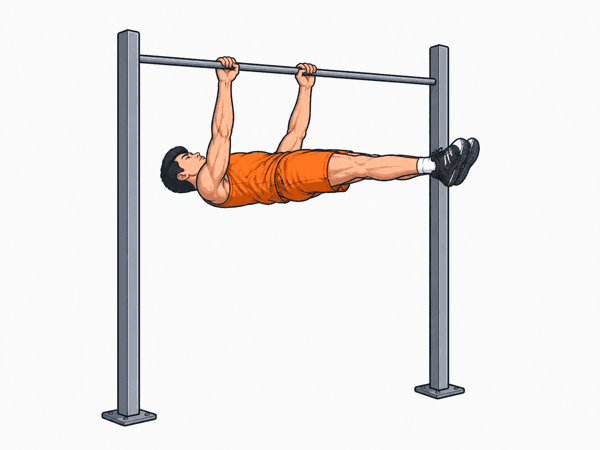
The front lever is the pulling counterpart to the planche: your body hangs under the bar, parallel to the floor, facing up. Pure lat pulling strength combined with uncompromising core tension.
What makes the front lever special
Unlike a pull-up, where you move upwards, in the front lever you hold a position in which your body acts as a long lever against the lats. Muscles worked: lats, rear delts, rectus abdominis, glutes – essentially the entire posterior chain.
Prerequisites
- A clean pull-up with scapular control – scapula pulls as a lead-in drill.
- Hollow body hold: 30 seconds on your back with legs and shoulders lifted.
- Toes-to-bar or hanging leg raises – core tension while hanging.
Your path to the front lever
Your path to the front lever
Five stages from the Strive Up skill tree: from the tuck with knees pulled in, step by step, to a horizontal hold with the body fully extended.
The stages explained
1. Tuck front lever (0:15)
Hang from the bar with your knees tight to your chest and your back parallel to the floor. The first lever – active lat tension ("pull the bar towards your hips without moving").
2. Advanced tuck front lever (0:15)
Knees further from the chest, hips at 90°. Back still parallel, lever longer.
3. One-leg front lever (0:10 per side)
One leg extended, the other still tucked. Asymmetric loading – strengthens unilateral shoulder control.
4. Straddle front lever (0:10)
Both legs extended and spread wide. The lever is almost full – for most athletes this is the longest plateau.
5. Full front lever (0:10)
Legs together and extended, body completely horizontal. The skill is yours.
Common mistakes
- Sagging hips: the hips have to stay actively at the same height as the shoulders. If they drop, you don't have a horizontal hold.
- Protracted shoulders: keep the shoulder blades actively depressed and retracted. Otherwise you overload the front of the shoulder capsule.
- Head tipped back: keep your head in line with your back. Otherwise the whole spine tilts.
- No core engagement: hollow body throughout the hold. Ribs down, navel to spine.
Training plan
Day A: current lever stage 5 × max hold + negative levers 4 × 5
Day B: front lever raises 4 × 6 (pulling from the hang into a tuck lever) + hollow body 3 × 30s
Frequency: 2 × per week, easy to combine with a pull day.
Track it with Strive Up
Front lever and back lever can be tracked side by side in Strive Up. Training both at once builds an extremely balanced pulling system.
Train smarter with Strive Up
Track your training, use the EMOM timer, follow your PRs and discover your personal skill roadmap – for free.


Related articles
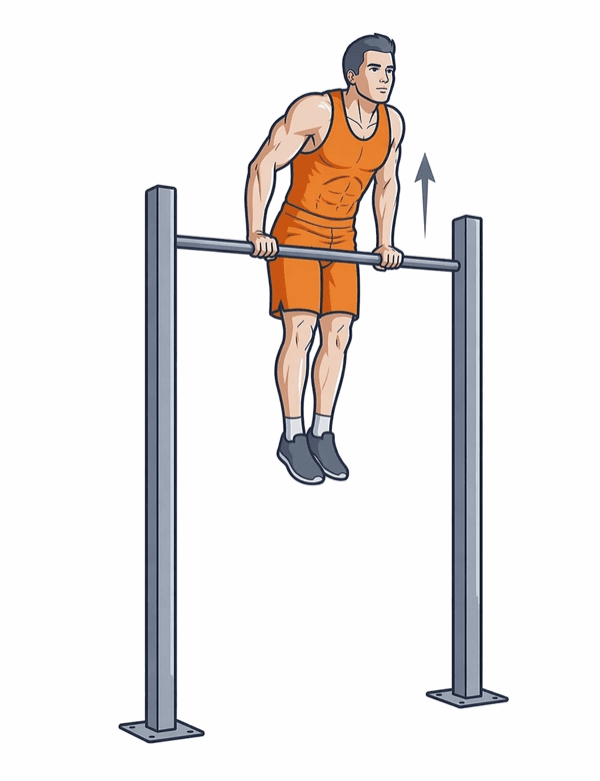
How to learn the muscle up: the complete progression guide
From the dead hang to your first clean muscle up: prerequisites, every lead-up stage, common mistakes and a clear plan that actually gets you to the king of bar skills.
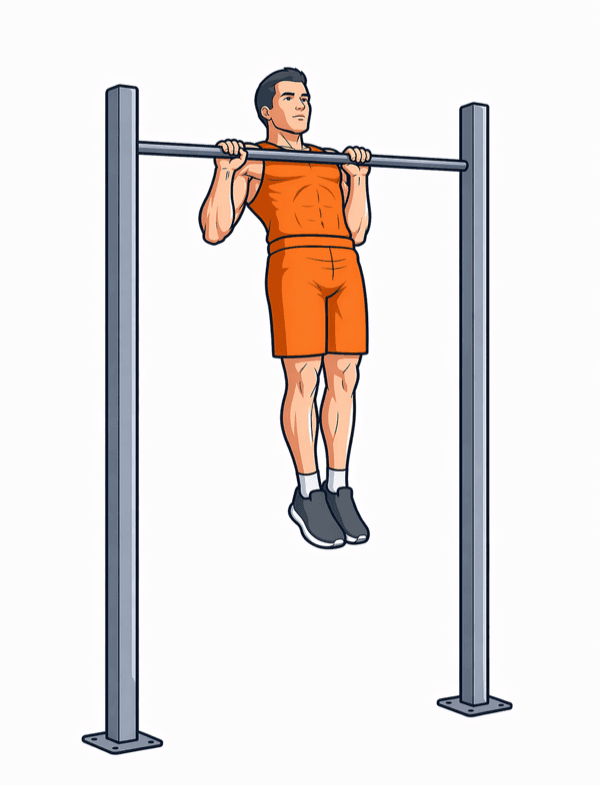
How to do pull-ups properly: technique, mistakes & progression
From the dead hang via scapula and band pull-ups to a clean full-range rep: technique, common mistakes and the complete progression ladder from the Strive Up skill tree.
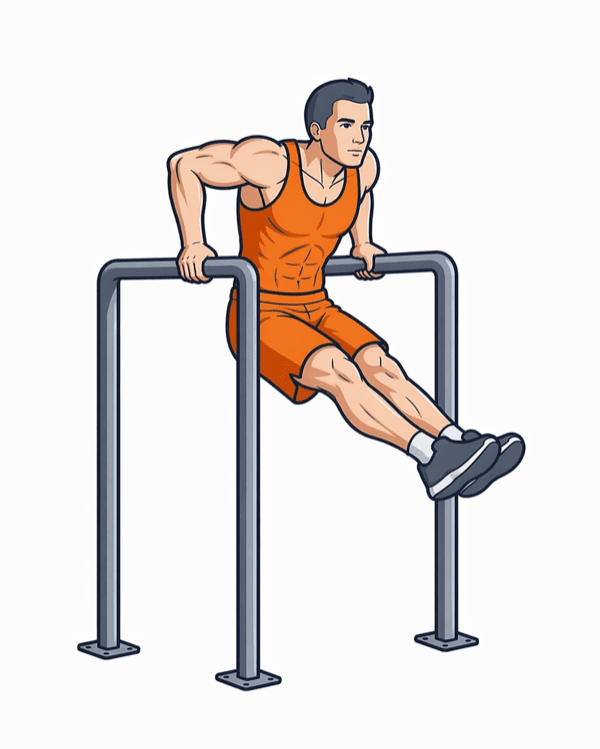
How to do dips properly: from the bench dip to muscle-up ready
The complete dip progression: bench, parallel bars, straight bar, russian. Technique, common mistakes and a training plan – straight from the Strive Up skill tree.